
Products
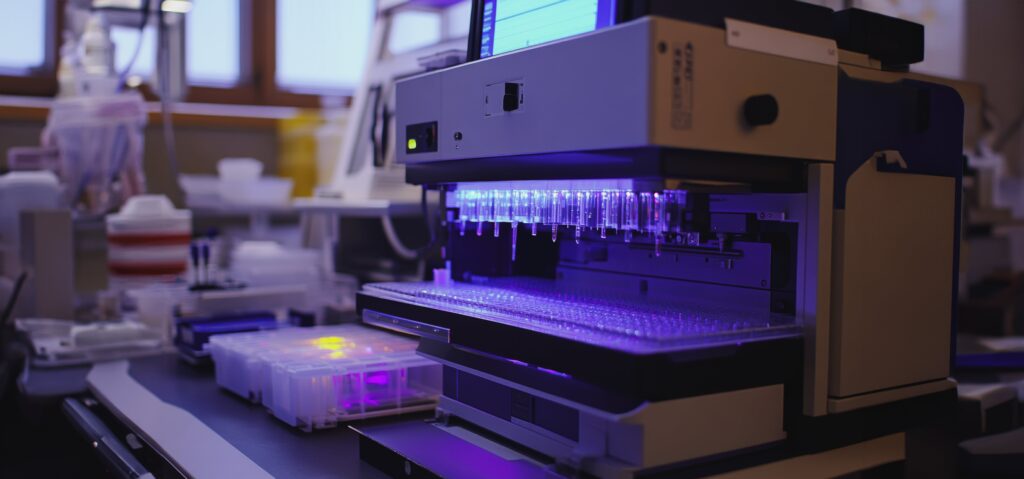
Analytical Instruments
Gas Analyzers
Measure composition and concentrations of gases such as CO₂, NOx, methane, and volatile organic compounds (VOCs). These analyzers are used in environmental monitoring and industrial emissions control to ensure compliance and reduce pollution.
Liquid Analyzers
Devices such as pH meters, conductivity meters, and spectrophotometers help measure chemical properties in water treatment, pharmaceutical production, and food safety.
Pressure, Temperature, and Level Instruments
These instruments — such as pressure gauges, thermocouples, and ultrasonic level sensors — support process control in industrial systems and help maintain safety and stability.
Flow Measurement Instruments
Turbine and magnetic flow meters provide accurate readings of fluid flow in pipelines and processing systems, helping improve efficiency and spot irregularities.
Safety Instruments
Gas detectors and emergency shutdown systems improve workplace safety by detecting leaks, preventing hazards, and helping follow safety standards.
Signal Conditioning Instruments
These devices improve the quality of sensor signals through filtering and amplification, ensuring stable performance in monitoring and control systems.
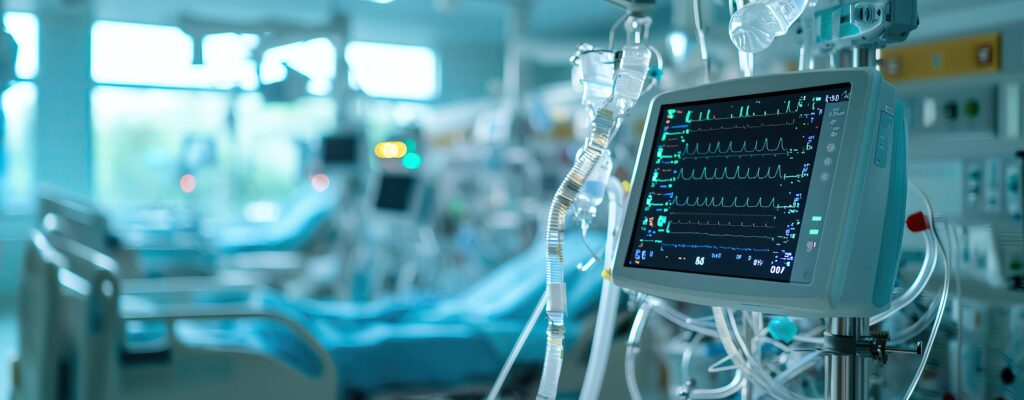
Bio Medical Instruments
Bio Medical Instruments is a specialized provider of advanced medical and surgical instruments designed to support healthcare practitioners in diagnostics, therapy, and patient monitoring. The company offers high-quality, reliable products including surgical, dental, and biofeedback instruments, as well as neurofeedback and EEG systems. Established with a commitment to innovation and precision, Bio Medical Instruments serves global markets with a focus on total quality service, ensuring timely delivery and superior product standards.
The instruments are crafted with expert craftsmanship and cutting-edge technology to measure and evaluate physiological signals, aiding accurate diagnosis and effective treatment. Products range from single-use to reusable surgical tools, with specialized offerings such as Magill forceps and Mayo scissors, made from premium stainless steel. Bio Medical Instruments also supports OEM and ODM collaborations, catering to medical companies internationally.
The field of biomedical instrumentation itself bridges engineering and medicine by developing devices that monitor and treat biological systems, incorporating sensors to track vital signs and other biomarkers. Innovations include wearable health technologies like biosensors and implantable devices that improve disease management and patient care. Bio Medical Instruments is dedicated to continuous improvement and expanding its product portfolio to meet evolving healthcare needs with customized, efficient solutions.

Building Material Testing Instruments
Soil Testing Equipment
Products for site suitability, compaction, permeability, shear strength, and density assessment, including Proctor compaction devices and permeability testers.
Concrete Testing Equipment
Instruments for compressive strength, workability, and durability studies such as compression testing machines, slump test kits, and curing tanks.
Asphalt Testing Equipment
Penetration testers, softening point apparatus, and viscosity analyzers to ensure pavement quality and climatic resistance.
Aggregate Testing Equipment
Sieve shakers, density baskets, and abrasion testers used for grading, quality, and durability testing of aggregates.
General Laboratory Devices
Universal testing machines, impact testers, mixers, and calibration tools for both field and lab analysis.
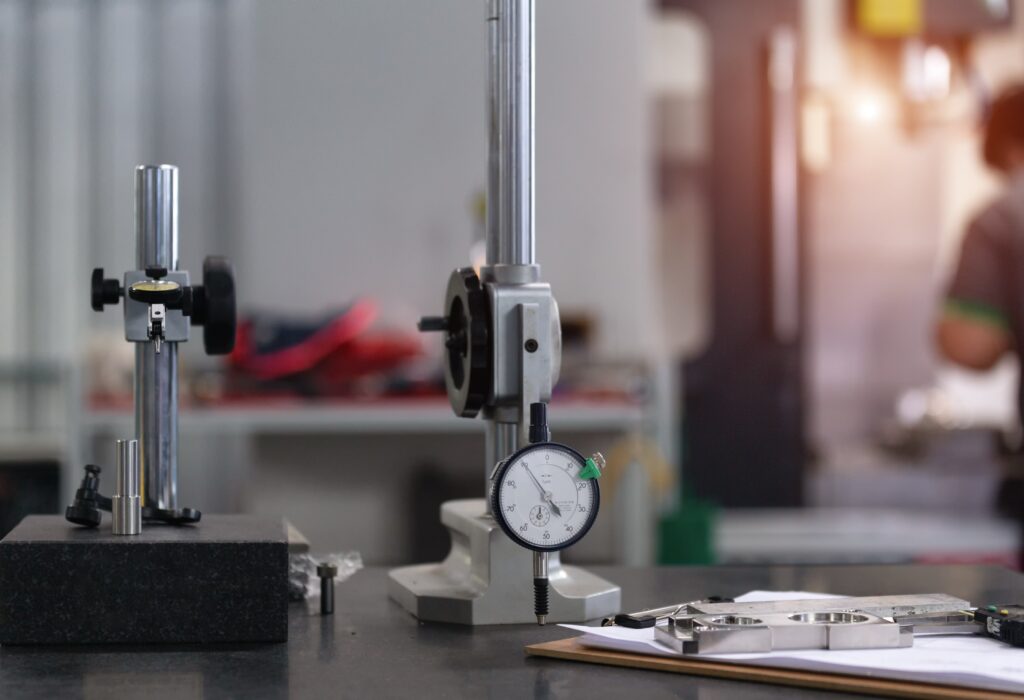
Dimensional Testing Instruments
Gauge Blocks
Precision metal or ceramic blocks used as reference standards for calibrating linear measuring instruments like micrometers and calipers.
Ring Gauges and Plug Gauges
Used to check outside and inside diameters respectively, ensuring components meet dimensional specifications.
Thread Gauges
Specialized tools for calibrating screw thread pitch and form for correct fitment.
Optical Comparators
Devices that magnify and project a part’s profile for measuring flatness, roundness, and other geometric parameters.
Coordinate Measuring Machines (CMMs)
Automated 3D measurement systems using probes for complex geometric measurements with high accuracy.
Surface Roughness Testers
Instruments that assess the texture and surface finish quality.

Drilling Fluid Testing Instruments
We offer Drilling fluid testing instruments are designed for both field and laboratory environments. They conform to international standards like API Recommended Practice 13B-1 and 13B-2, ensuring repeatable and reliable results across different applications. Instruments often come in rugged, portable kits for field engineers and can include digital and automated models for advanced laboratory testing like:
Viscometers
Viscometers: Measure the viscosity and rheological properties of drilling fluids, providing insight into their flow behavior under various shear rates and temperatures.
Filter Presses
Filter Presses: Assess the filtration properties and wall-cake-building characteristics, critical for controlling fluid loss into the formation.
Mud Balances
Mud Balances: Determine the density or weight of drilling fluids, a key factor in maintaining well control and preventing blowouts.
Marsh Funnels
Marsh Funnels: Provide a quick and simple field indication of drilling fluid viscosity.
Retorts
Retorts: Separate the solid and liquid phases in mud to determine water, oil, and solids content.
Sand Content Kits
Sand Content Kits: Measure the percentage of sand-sized particles, preventing damage to drilling equipment and formation.
pH Meters and Chemical Test Kits
pH Meters and Chemical Test Kits: Monitor chemical properties such as alkalinity, salinity, and contamination, essential for fluid stability and effectiveness.
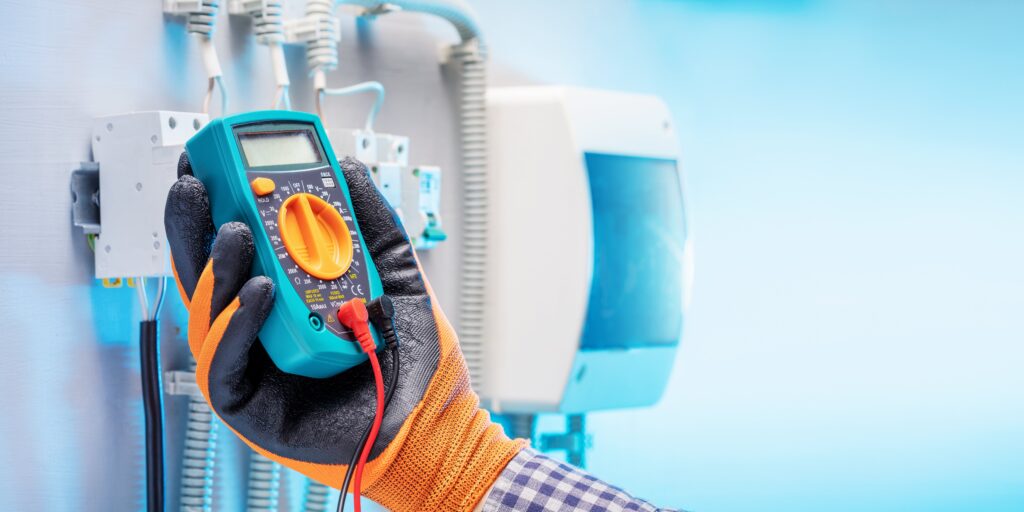
Electrical Instruments
Multimeters
Versatile tools that measure voltage, current, and resistance, widely used for troubleshooting and maintenance.
Clamp Meters
Measure current flow without direct contact by clamping around conductors, offering safety and efficiency.
Voltmeters and Ammeters
Specialized devices for measuring electrical potential difference and current in circuits.
Oscilloscopes
Advanced instruments that display voltage signals over time as waveforms, essential for signal analysis and diagnostics.
Wattmeters and Power Meters
Measure electrical power consumption and energy efficiency.
Insulation and Earth Resistance Testers
Critical for safety testing in electrical installations to prevent shocks and equipment damage.
Data Loggers and Sound Level Meters
Record electrical parameters and environmental noise levels for compliance and research.
Surface and Light Meters
Measure physical parameters such as surface texture and illumination important for electrical environments.
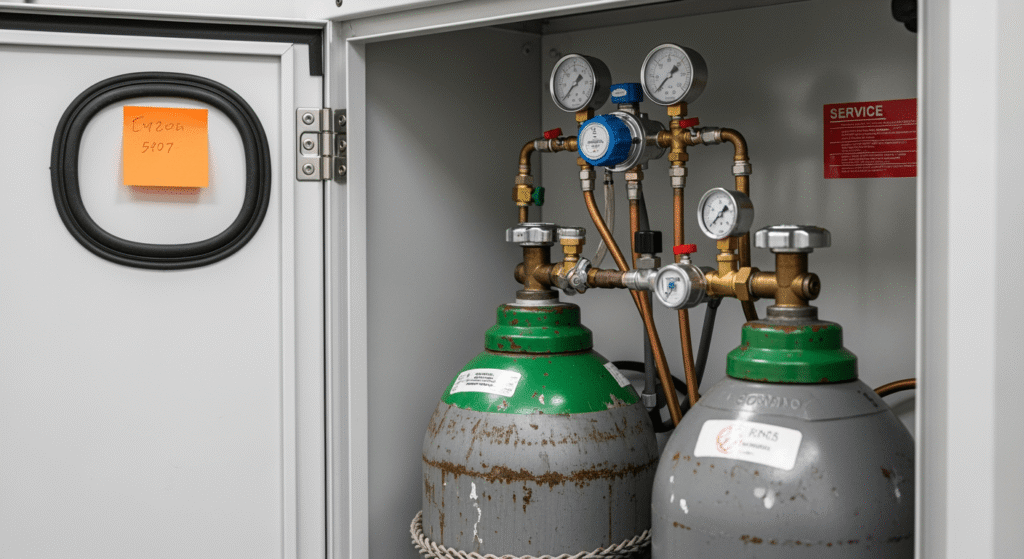
Gas Instruments
Gas instruments including valves, regulators, fittings, and tubes form the backbone of safe, efficient, and controlled gas flow systems across industries such as oil and gas, chemical processing, healthcare, and manufacturing. Valves support functions like flow regulation, isolation, and safety control.
Gas pressure regulators maintain stable downstream pressure even when upstream conditions change. These devices are essential to ensure smooth and safe operations in gas delivery and are available in several designs suited for different gases and pressure levels.
Fittings and tubes help route and connect gas lines securely. They are built using durable, corrosion-resistant materials that withstand high-pressure environments. Common types include compression fittings, unions, flanges, and specialized tubing that ensures leak-proof performance.
Together, these components form dependable gas handling systems that meet strict standards for safety, efficiency, and operational reliability. By offering a complete range of valves, regulators, fittings, and tubes, industries maintain strong, stable infrastructure for critical gas applications.
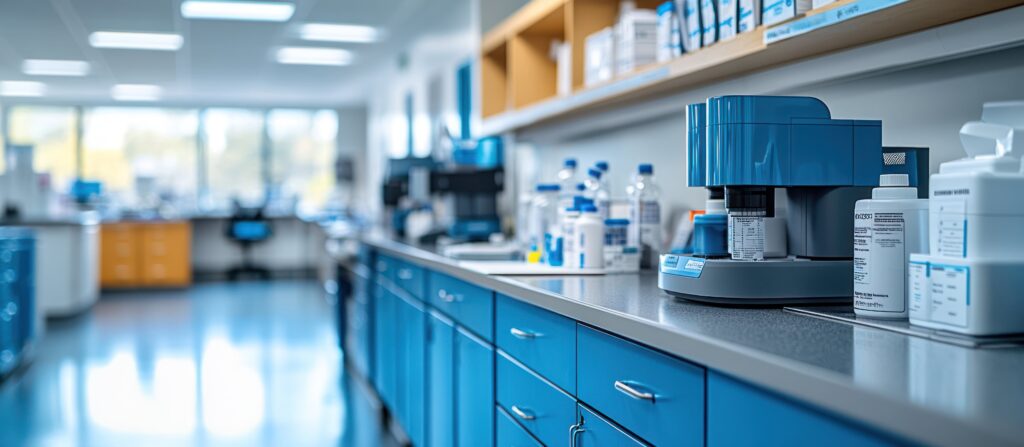
ISO 17034 RMs & CRMs
We ensure the continuous supply of ISO 17034 Reference Materials (RMs) and Certified Reference Materials (CRMs), which are essential for maintaining accuracy, traceability, and reliability in measurement and calibration processes across industries. ISO 17034 outlines the requirements for the competence of reference material producers, ensuring that RMs and CRMs are homogenous, stable, and supported with certificates that include property values, uncertainties, and traceability information.
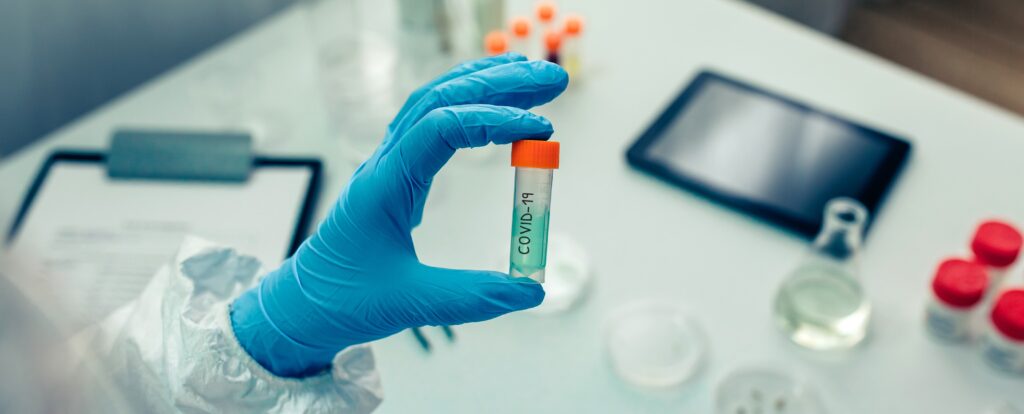
ISO 17043 PT SAMPLE
The supply of ISO 17043 Proficiency Testing (PT) samples is an essential service for laboratories seeking to assess and verify the reliability of their testing processes. ISO 17043 defines the global requirements for the competence of proficiency testing providers, covering the planning, development, and administration of PT schemes.
Proficiency testing samples are specially prepared materials distributed to participating laboratories for independent analysis. These samples help laboratories compare their results with established benchmarks and peer laboratories under controlled conditions. This supports the identification of strengths, detection of performance gaps, and fulfillment of accreditation and quality assurance requirements, including those outlined in ISO/IEC 17025.
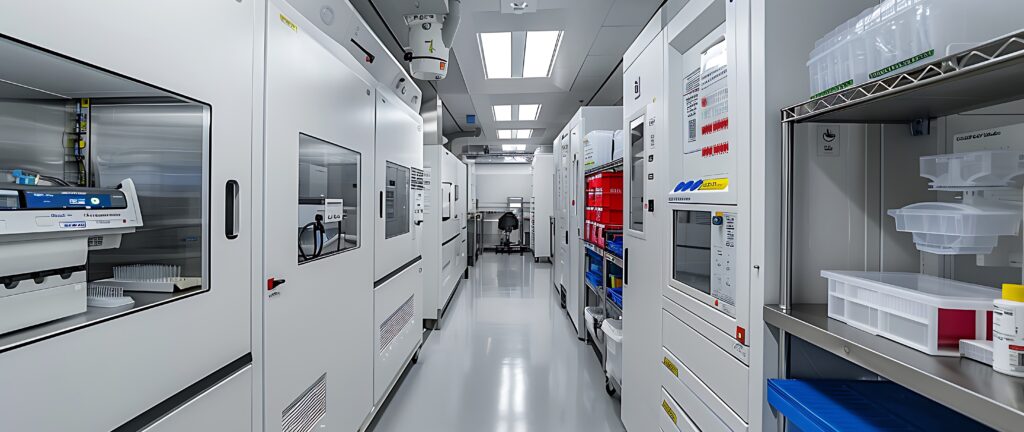
Lab Caseworks & Consumables
This category includes modular and customized laboratory furniture such as:
- Workbenches and countertops made from chemical-resistant materials like epoxy resin, phenolic resin, granite, and stainless steel.
- Storage cabinets, shelving, and lockers designed for organized chemical and equipment storage.
- Safety cabinets for flammable and hazardous materials.
- Fume hoods and biosafety cabinets built for safe handling of toxic fumes and biological samples.
- Anti-vibration tables and ergonomic chairs to support precision work and reduce fatigue.
Lab consumables encompass essential items that support daily laboratory operations:
- Sample containers, pipettes, and tubing.
- Swabs, gloves, wipes, and cleaning agents that meet laboratory hygiene standards.
- Filtration membranes, culture plates, and testing kits.
- Utility items like seals, gaskets, and fasteners used with lab casework and instruments.

Lab Safety Instruments
Personal Protective Equipment (PPE)
Safety goggles, chemical-resistant gloves, lab coats, and face shields that protect against chemical splashes, biological hazards, and physical injuries.
Fume Hoods and Ventilation Systems
Designed to capture and remove hazardous fumes, vapors, and airborne particles, maintaining clean and safe indoor air quality.
Fire Safety Instruments
Fire extinguishers, fire blankets, and sprinkler systems adapted for chemical and electrical fire hazards common in labs.
Emergency Response Equipment
Eye wash stations, safety showers, spill containment kits, and first aid kits that provide immediate response to accidental exposure.
Gas and Chemical Detectors
Continuous monitoring devices that detect toxic, flammable, or oxygen-deficient gases to prevent hidden dangers.
Biological Safety Cabinets
Controlled workspaces designed for safe handling of infectious or biohazardous materials, aligned with biosafety standards.
Ventilation and Air Quality Monitoring Devices
Used to maintain stable airflow and ensure compliance with occupational safety guidelines.
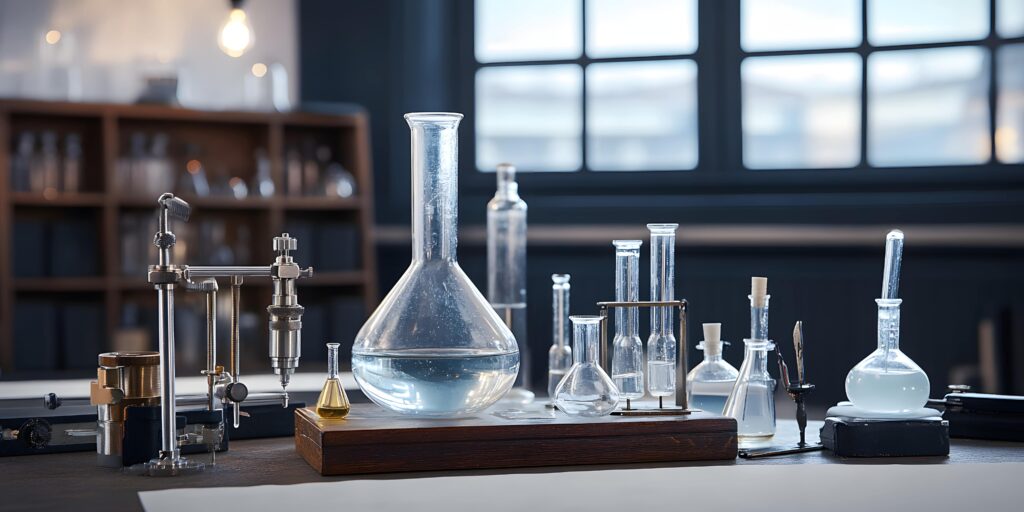
Laboratory Glasswares
Beakers
Cylindrical containers with spouts used for mixing, heating, and holding liquids, available in multiple sizes.
Flasks
Includes Erlenmeyer, volumetric, and round-bottom flasks used for boiling, mixing, and precise volume measurement.
Pipettes and Burettes
Used for accurate transfer and dispensing of liquids, essential for titration and quantitative analysis.
Test Tubes and Vials
Small containers designed for heating, reactions, and sample storage.
Graduated Cylinders
Narrow, tall vessels marked for precise measurement of liquid volumes.
Funnels and Desiccators
Tools used for liquid transfer and for protecting moisture-sensitive samples.
Specialty Glassware
Includes condensers, evaporating dishes, slides, and Petri dishes made for specific laboratory procedures.
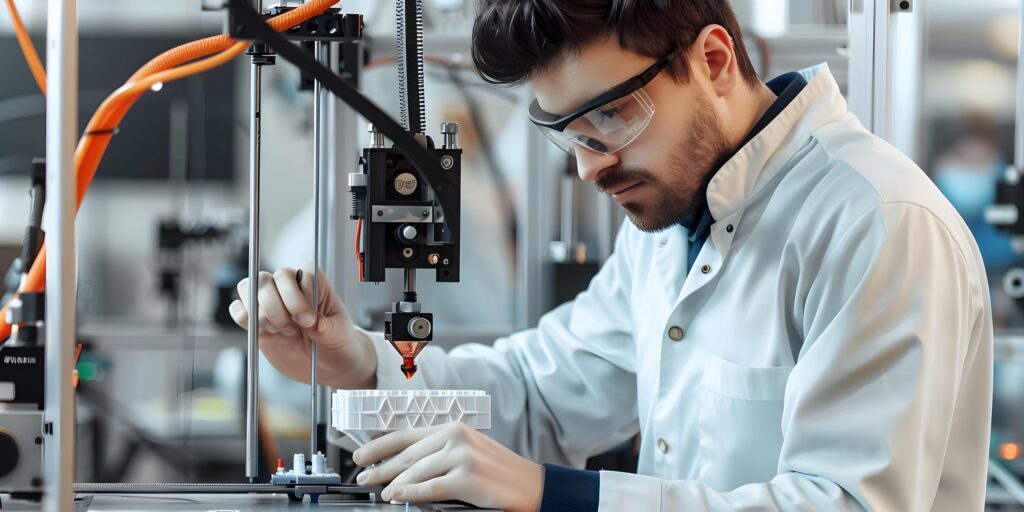
Material Testing Instruments
Universal Testing Machines (UTM)
Multi-functional instruments used for tensile, compression, flexure, and shear testing of metals, plastics, composites, and more, offering essential data on strength and elongation.
Hardness Testers
Includes Rockwell, Vickers, Brinell, and Shore Durometers designed to measure surface hardness and resistance to deformation.
Impact Testers
Charpy and Izod impact testers used to determine material toughness and its ability to absorb shock loads.
Fatigue Testing Machines
Evaluate how materials respond to repeated cyclic loading, helping predict durability and lifespan.
Abrasion and Wear Testers
Equipment that measures wear resistance, critical for coatings, textiles, and mechanical parts.
Non-Destructive Testing (NDT) Instruments
Ultrasonic testers, X-ray systems, and magnetic particle equipment used to inspect materials without causing damage.
Environmental Simulation Chambers
Xenon and UV weathering chambers used to study how materials perform under sunlight, humidity, and extreme temperatures.
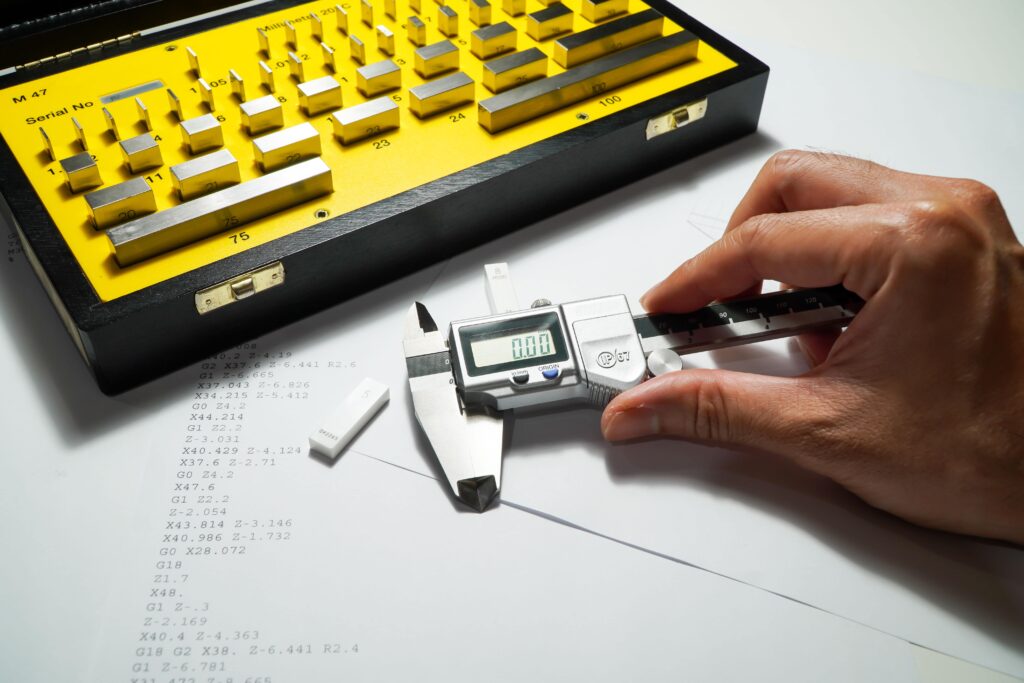
Metrology Instruments
Pressure Masters
Precision pressure gauges and dead weight testers used for calibrating pressure sensors and transmitters with high accuracy.
Electrical Masters
High-accuracy voltmeters, ammeters, multimeters, and signal generators designed for calibration of electrical measuring instruments.
Dimensional Masters
Gauge blocks, micrometers, and surface plates used to verify and calibrate calipers, height gauges, and other dimensional tools.
Temperature Masters
Dry-well calibrators, calibration baths, and reference thermometers used for validating temperature sensors.
Flow and Mechanical Masters
Standard flow meters and precision weights used in flow, force, and mechanical calibration tasks.

Microbiology Testing Instruments
Autoclaves
Sterilization units essential for eliminating microbes from laboratory tools, culture media, and biological waste.
Laminar Air Flow Cabinets
Provide sterile airflow to create contamination-free environments for culture preparation and experiments.
Incubators
Temperature-controlled chambers designed for optimal growth of bacterial and fungal cultures.
Microscopes
Includes compound, digital, and fluorescent models used to observe microorganisms with high clarity.
Colony Counters
Devices that accurately count microbial colonies on Petri dishes to support quantitative analysis.
Spectrophotometers
Used to measure microbial growth through optical density or absorbance readings.
pH Meters and Water Baths
Support preparation of culture media and maintain stability of solutions and reagents.
Centrifuges
Separate microbial cells and components for further study and analysis.
Anaerobic Jars and Gas Pak Systems
Create oxygen-free environments required for culturing anaerobic microorganisms.
Laboratory Balances and Vortex Mixers
Provide accurate weighing and rapid sample mixing for microbiological workflows.
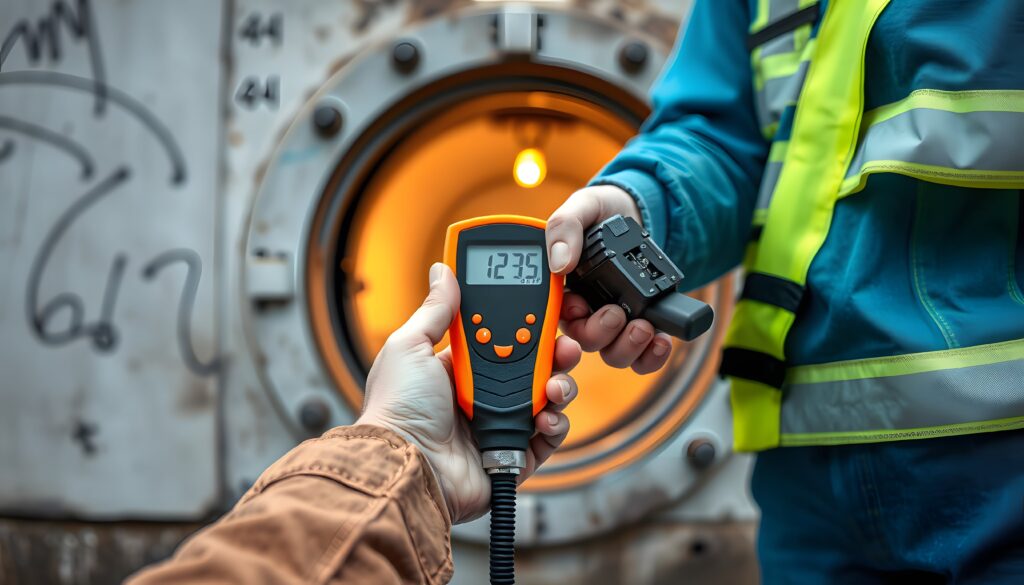
NDT Instruments
Ultrasonic Testing (UT) Instruments
Use high-frequency sound waves to detect internal defects, measure thickness, and assess weld quality.
Radiographic Testing (RT) Equipment
Employ X-rays or gamma rays to capture internal images for identifying defects in metals, welds, and composites.
Magnetic Particle Testing (MT) Devices
Locate surface and near-surface flaws in ferromagnetic materials using magnetic fields combined with iron particles.
Liquid Penetrant Testing (PT) Kits
Reveal surface-breaking defects on non-porous materials through dye penetration and developer application.
Eddy Current Testing (ECT) Instruments
Use electromagnetic induction to detect surface and sub-surface defects in conductive materials.
Visual Inspection Tools
Borescopes, cameras, and drones used to inspect surfaces and hard-to-access areas for visible defects.
Acoustic Emission Monitoring Equipment
Identify active defects by capturing sound waves generated by crack initiation and growth.
Thermography Sensors
Infrared cameras detect temperature variations that indicate structural defects or inconsistencies.

Pharmaceutical Testing Instruments
Tablet Hardness Tester
Measures the strength of tablets to ensure they remain intact during handling, packaging, and transportation.
Disintegration Tester
Determines the time required for tablets or capsules to break down into smaller particles under controlled conditions.
Dissolution Tester
Measures the rate and extent at which the active ingredient is released from solid dosage forms.
Friability Tester
Evaluates a tablet’s ability to resist chipping, cracking, or breaking due to mechanical stress.
Leak Tester
Checks the integrity of packaging systems such as blister packs and sealed containers.
Tap Density Tester
Determines the bulk density of powder materials to support formulation consistency.
Sieve Shaker
Used to measure the particle size distribution of powders and granulated materials.
Powder Flowability Tester
Assesses how powders behave during processing, filling, and handling stages.
Gelatine Capsule Hardness Tester
Measures the compressive strength of soft and hard gel capsules.
Analytical Balances, pH Meters, Melting Point Apparatus
Provide high-precision physical and chemical measurements needed for pharmaceutical testing.
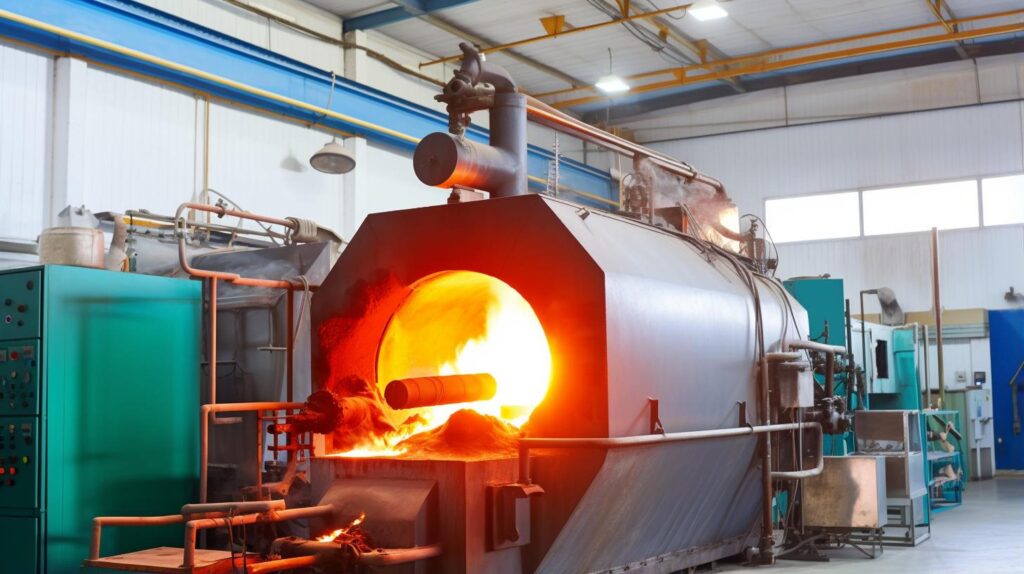
Refractory And Castable Testing Instruments
Refractory Material Testing Machines
Hydraulic systems designed for compressive strength, flexural strength, and load-bearing capacity testing of refractory bricks and castables.
High-Temperature Furnaces
Electric or gas-fired furnaces used for refractoriness tests, thermal shock studies, and pyrometric cone equivalent measurements at temperatures up to 1700°C and beyond.
Cooling Equipment
Water tanks and air-cooling units used for thermal shock resistance evaluation through rapid heating and quenching cycles.
Dilatometer
Measures thermal expansion and dimensional stability to determine how materials respond to temperature changes.
Hot Modulus of Rupture Tester
Assesses the strength of refractory materials at elevated temperatures.
Laser/Light Flash Apparatus and Scanning Calorimeters
Advanced systems used to measure thermal diffusivity and specific heat capacity.
Particle Size Analyzers and Flow Test Equipment
Determine particle distribution and flow characteristics of castable powders for quality assessment.
Sensing
Sensing Instruments
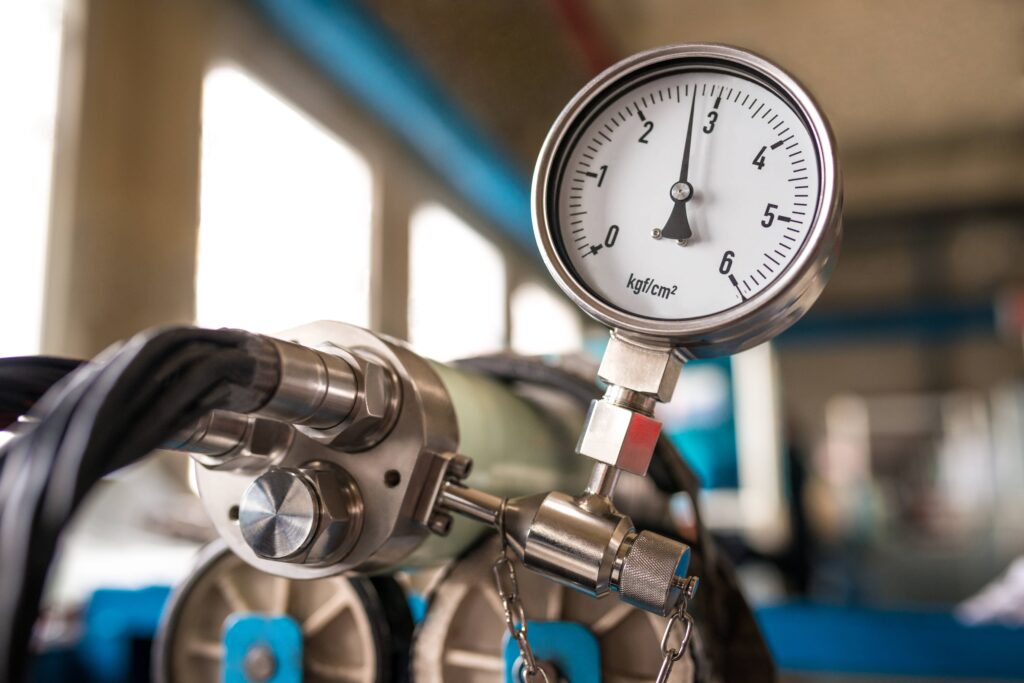
Includes temperature sensors such as thermocouples, RTDs, thermistors, and infrared sensors; pressure sensors like Bourdon tube, diaphragm, and piezoelectric types; level sensors including ultrasonic, radar, and float switches; as well as proximity, humidity, vibration, and optical sensors. These devices convert physical parameters into electrical signals for monitoring and automation.
Testing & Measuring Instruments
Testing Instruments
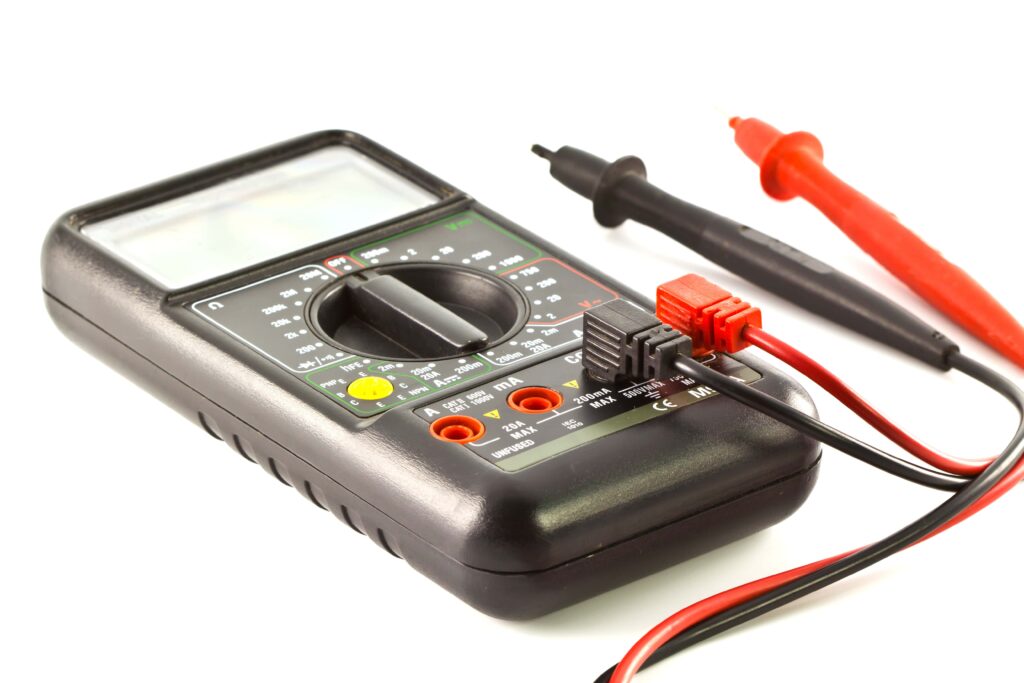
Comprises tools such as multimeters, oscilloscopes, hardness testers, tensile testers, pH meters, and spectrometers. They provide qualitative and quantitative assessments of material properties, electrical characteristics, and environmental conditions.
Measuring Instruments
Includes vernier calipers, micrometers, flow meters, weighing scales, and data loggers used to capture precise dimensional, volumetric, and mass measurements essential for maintaining quality and consistency.